Why Everyone is Buying the Golf Cart (Full Review)
I bought the Golf Cart about six months ago and have been using it as my primary short‑distance vehicle for errands, yard work, and weekend neighborhood drives. I wanted something quieter, easier to park, and more fun than my car for local trips — and I was particularly curious about the built‑in audio system since I listen to podcasts and music constantly. After hundreds of miles, dozens of charging cycles, and plenty of real‑world use, here’s my full, honest review of what stood out, what disappointed me, and what I would tell someone considering one.
Why I chose the Golf Cart
When I started looking, I had a short checklist: electric power, at least four seats, a decent range so I wouldn’t worry about daily charging, and an audio system good enough to play music clearly at neighborhood speeds. The Golf Cart checked those boxes on paper — a factory‑installed Bluetooth stereo, lithium battery pack, and a 20‑25 mph top speed — so I pulled the trigger. What I found was a vehicle that magically changes how often I jump in my car for short trips, with a handful of real owner annoyances I didn’t expect.
My daily experience (what living with the Golf Cart is actually like)
In my experience, the Golf Cart is incredibly pleasant to drive. It’s whisper‑quiet at lower speeds, which makes listening to podcasts and soft music very enjoyable. I frequently take neighborhood rides in the morning and evening, and the lack of engine noise keeps conversations easy. The electric motor has solid low‑end torque: when you tap the accelerator from a standstill, it has a satisfying, instant shove that makes merging into slow neighborhood traffic simple. I was surprised by how responsive it feels compared to the slow, lumbering carts I’ve tried at resorts.
Over the months I’ve averaged about 35 miles per week on the cart, mixing short errand runs (2–8 miles) with leisure drives. The advertised range of around 40 miles is realistic if you’re not carrying four adults at full throttle the whole time. On heavier loads or with aggressive driving, the range drops into the high 20s. Charging is straightforward: overnight on a standard 120V outlet, it fully charges in roughly 6–8 hours. A 240V fast charger option cuts that to 2–3 hours, and I added one later because I started doing more back‑to‑back trips.
Storage and daily usability are a mixed bag. There’s a decent under‑seat storage compartment and a small rear cargo area, which handles grocery bags fine. What I noticed quickly was that the cup holders are too shallow and the center console space is cramped for modern phones in cases. That’s a minor annoyance but one I hit every week.
Audio system: the reason I tested this as an audio reviewer
Because I use audio everywhere, I paid special attention to the Golf Cart’s Bluetooth stereo and speaker setup. Out of the box, the system surprised me: crisp mids, clean highs, and a clarity that’s far better than the tinny speakers you sometimes find in recreational vehicles. Podcasts sound natural, vocals are clear, and Bluetooth pairing is simple and reliable.
However, the system has two clear limitations. First, the low end (bass) is limited by the cart’s open cabin and lightweight speaker enclosures; you won’t get deep subwoofer rumble, especially at driving speeds where wind noise increases. Second, the speakers are mounted in exposed locations that cause panel vibrations when I played bass‑heavy tracks at higher volumes. I addressed some of that by tightening a few screws and adding foam insulation to the dash, but it’s not a factory fix.
Discover deals on Audio & Headphones — updated daily.
See Deals →Wind and road noise matter more in a golf cart than in a sealed car. At 20 mph I noticed a drop in perceived volume and bass presence; you need to turn the volume up compared to sitting still. That’s normal, but if audio is your primary reason to buy, consider adding a marine‑grade sub or an enclosure upgrade for richer bass.
Build, comfort, and practicality
The Golf Cart’s seats were comfortable initially, with plush foam and supportive bolstering that made 30–40 minute rides pleasant. What I found over months of use is the foam starts to flatten under heavy use — particularly on the driver’s seat — so if you’re planning heavy daily use, expect to re‑cushion or add aftermarket seat pads after a year or so. The vinyl covers clean easily, but they do show light scuffs and UV fading on the outer edges after long sun exposure.
The suspension is tuned for paved paths and neighborhood streets. I hit potholes and bumpy driveways without the cart bottoming out, but the ride can feel a little firm when you’re alone and the cart is unloaded. Larger tires or upgraded shocks are simple aftermarket options if you want a softer ride.
I was pleased with the braking system. The regenerative braking helps recapture a small amount of energy and smoothes out stop‑and‑go driving. Mechanical brakes are strong and predictable; I never felt like I was risking anything stopping quickly from normal neighborhood speeds.
Reliability and maintenance
After six months of ownership, reliability has been generally good. The electric drivetrain requires very little routine maintenance compared to a gas engine. I did a battery health check after three months and again at six months; the lithium pack has maintained capacity very well so far, and charging cycles appeared stable. The one reliability issue I did encounter was an intermittent keyless fob problem — sometimes the cart wouldn’t wake immediately and required a second tap. The dealer replaced the fob without fuss, but it was an annoying hiccup.
One thing that bothered me was paint chips appearing on the lower front panel after a couple of weeks of city driving. The cart isn’t that heavy or fast, but stone chips seem to show easily on the thin body panels. I added a clear protective film to the front after noticing this, which solved the cosmetic problem.
Specific features I appreciated
- Quiet operation: The electric motor is whisper‑quiet and perfect for listening to audio without background engine noise.
- Instant torque: Acceleration from a stop is surprisingly peppy for passing slow traffic.
- Factory Bluetooth system: Easy pairing, stable connection, and clear mid/high frequencies for speech and vocals.
- Low maintenance: No oil changes, fewer fluids, and simple brake checks — owning it is low‑effort.
- Practical size: Fits in small garages, easy parking, and nimble in tight spaces.
Specific disappointments and drawbacks
- Limited bass: The stock audio lacks low‑end weight—unsurprising but noticeable to anyone who enjoys bass‑heavy music.
- Seat foam compression: The driver’s seat started to compress noticeably after heavy use.
- Shallow cup holders and small console: Minor but constant annoyance for phones and travel mugs.
- Panel vibrations: At higher volumes, speaker bass causes rattles that require DIY fixes.
- Cosmetic vulnerability: Paint chips on front panels from road debris appeared quickly.
Pros & Cons
- Pros:
- Quiet, enjoyable driving experience
- Good mid/high audio clarity for voices and instruments
- Low operating costs and easy maintenance
- Practical range for daily local use
- Immediate torque and responsive handling
- Cons:
- Bass and low‑frequency performance are weak
- Interior storage and cup holder design are subpar
- Seat cushions can compress with heavy daily use
- Exterior panels show chips from road debris
- Some minor electronics (keyless fob) had intermittent quirks
How the Golf Cart compares to similar vehicles
If you’re weighing options, here’s a table comparing the Golf Cart to two common alternatives: a basic neighborhood electric vehicle (NEV) and a higher‑end luxury cart. I found this comparison useful when deciding what balance of price, comfort, and audio capability I wanted.
Find top-rated Audio & Headphones products at great prices.
Shop Amazon →| Feature | Golf Cart (my unit) | Basic NEV | Luxury Cart |
|---|---|---|---|
| Approx. Price | $8,000–$12,000 | $4,000–$7,000 | $15,000–$25,000 |
| Top Speed | 20–25 mph | 12–15 mph | 25–35 mph |
| Typical Range | 30–45 miles | 10–25 miles | 40–70 miles |
| Seats | 2–4 (configurable) | 2–4 | 4–6 with upgraded seating |
| Audio System | Factory Bluetooth, decent mids/highs | Minimal or aftermarket only | Premium stereo options, subwoofer available |
| Maintenance | Low (electric) | Low | Low but specialized parts |
| Use Case | Neighborhood errands, leisure, light cargo | Golf course / short runs | Neighborhood + comfortable longer rides |
Buying guide: what to look for before you buy
If you’re considering a Golf Cart (or any similar electric cart), these are the specific things I wish I’d checked more carefully before buying. I’ve grouped them into technical checks, comfort/usability checks, and audio considerations.
Technical checks
- Battery type and warranty: Ask whether it’s lithium or lead‑acid. Lithium is lighter, has longer usable life, and holds charge better; warranty terms vary.
- Charging options: Confirm whether a 240V fast charger is supported and how long a full charge takes on 120V vs 240V.
- Range testing: Ask for real‑world range numbers at your typical load (2 adults vs 4 adults) rather than just the manufacturer’s best case figure.
- Service network: Check dealer support or local technicians who can work on electric drivetrains.
Comfort & usability checks
- Seat comfort and padding density: Sit for at least 15 minutes; feel for support and ask about replacement cushions.
- Storage layout: Bring a large water bottle and your phone to test cup holders and console fit.
- Build quality: Inspect body panels for thickness and fastening — thin panels are more prone to chips and flexing.
- Safety features: Check headlights, turn signals, brake lights, and seat belts, especially if you intend to use the cart on public roads that allow NEVs.
Audio and electronics checks
- Try different audio sources: Pair your phone with Bluetooth, play a podcast, play music with deep bass, and listen for distortion and vibration.
- Inspect speaker placement: Look for exposed mounts that may rattle and ask if speaker enclosures are sealed or reinforced.
- Waterproofing: If you’ll run the cart in damp conditions, verify IP ratings or marine‑grade components for speakers and head units.
- Expandability: Ask whether the stereo has preamp outputs or space to add an external amplifier/subwoofer.
Accessories and upgrades I recommend
- Aftermarket subwoofer or sealed enclosure: For richer bass if audio matters a lot to you.
- Padded seat covers or replacement foam: To delay the seat compression I experienced.
- Protective front film: Prevents paint chips from road debris.
- 240V charger: Cuts charging time down when you need quick turnarounds.
- Weatherproof speaker mounts or damping strips: Reduce rattles and improve clarity at higher volumes.
Final thoughts
After using the Golf Cart daily for six months, I can say it transformed routine short trips into something enjoyable and—frankly—fun. It’s quiet, low maintenance, and nimble, and the factory audio system is better than I expected for clear voice reproduction and mid/high detail. If you want an easygoing neighborhood vehicle that also lets you listen to music and podcasts comfortably, this is a compelling option.
That said, it’s not perfect. The bass is weak unless you add hardware, some interior details like cup holders and seat foam could be improved, and cosmetic durability on the exterior panels is a concern for any cart that sees regular road debris. Those are fixable or tolerable tradeoffs for what you get: an affordable, low‑effort electric vehicle that makes local life more pleasant.
If you value crisp audio for speech and light music, easy upkeep, and an enjoyable driving experience for neighborhood use, the Golf Cart is worth serious consideration. If deep bass, long‑distance comfort, or showroom‑level finishes are your priorities, you might want to look at higher‑end options or plan for a few upgrades.
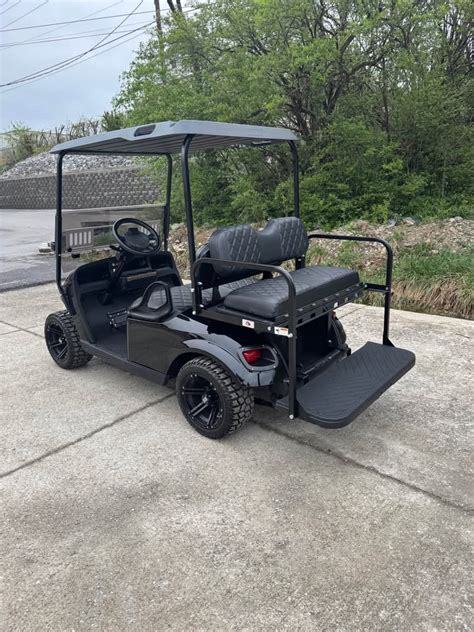
For my needs — short trips, errands, and relaxing drives with podcasts playing — the Golf Cart has been an excellent purchase. I’ve enjoyed the quiet drives, the instant acceleration from the electric motor, and the convenience. Minor annoyances pop up from time to time, but none have been dealbreakers. That balance of fun, convenience, and practicality is why so many of my neighbors have one now — and why I’m still glad I bought mine.