The Truth About the Ecotank Photo Et 8550: Pros, Cons, and Verdict
Introduction
The Ecotank Photo ET-8550 occupies a curious place in the consumer and prosumer printer market: it promises the low running costs and convenience of refillable ink tanks while positioning itself as a photo-centric all‑in‑one capable of producing large, borderless prints. For buyers who print family photos, craft projects, client proofs, or on-demand wide-format prints, the ET-8550 raises obvious questions: is its photo quality competitive with dedicated pigment-based photo printers? Does the lower cost-per-page come without compromises? And how well does the machine handle real-world workflows?
This article evaluates the Ecotank Photo ET-8550 from the perspective of typical buyers—hobbyist photographers, small studios, craft-makers, and home-office users—looking at build and features, print quality, running costs, day-to-day usability, and where it does and doesn’t make sense. The goal is to provide a balanced, practical guide so readers can decide whether the ET-8550 matches their needs.
Detailed Product Review and Analysis
Design and Build
The ET-8550 has a substantial footprint compared with compact home inkjets because it accepts wide-format media (up to large photo sizes) and houses a set of refillable ink tanks. The chassis prioritizes accessible tanks and a flatbed scanner for copying and scanning photos. The control surface typically includes a modest color touchscreen and straightforward physical controls.
For many buyers the physical design is a trade-off: a larger machine that reduces intervention and bottle-buying frequency. That makes it better suited to dedicated workspaces—home studios or home offices—than cramped desks or shared living-room shelves.
Ink System and Running Costs
The defining feature of the Ecotank line is its integrated refillable ink tanks. The ET-8550 uses a multi-color dye-based ink set with additional light color channels intended to smooth gradations and improve skin tones—valuable in photo work. The tanks deliver a very low effective cost per printed page or per photo when compared to cartridge-based machines because a single bottle set contains far more ink than a cartridge pack.
Real-world buyers appreciate the predictability of running costs: bulk bottles with clear fill levels reduce surprise refills and lower long-term ownership costs for moderate-to-high volume users. However, upfront costs are higher than basic cartridge printers, and buyers should account for pigment vs dye differences (see Print Quality).
Print Quality: Photos and Color
Photo print quality is the most important factor for the ET-8550. The multi-channel dye ink set produces vibrant, saturated colors and smooth gradients—especially on glossy and semi-gloss photo papers—making it a strong choice for casual photo printing, family albums, and colorful proofs. The additional light cyan and light magenta channels help avoid banding and produce more natural-looking transitions in skies, portraits, and soft gradients.
That said, dye inks are inherently different from pigment inks. Dye inks tend to deliver richer colors and deeper blacks on glossy media, but they are generally less resistant to fading over time and more vulnerable to water and light exposure than pigment-based prints. Buyers who need the highest archival permanence—museum-quality fine art prints or prints intended for sale as long-term items—might prefer a pigment-based professional printer. For everyday photo prints, display, and many client proofs, the ET-8550’s output is excellent.
Speed and Workflow
Photo printing is rarely judged by raw pages-per-minute; the important metric is how quickly and reliably the printer produces high-quality borderless photos. The ET-8550 handles single prints and small batches well but is not a high-speed production device. When printing multiple large, high-resolution images, users may notice slower processing and longer drying times, especially when printing on heavier or glossier stock.
On the positive side, the printer’s wide-format capability (suitable for larger photo sizes and borderless prints) and support for a range of media weights make it flexible for craft projects, scrapbooking, or client proofs. The flatbed scanner doubles as a convenient tool for scanning negatives, proofs, or archival photos if careful scanning is required.
Looking for the best Electronics deals on Amazon?
See Deals →Connectivity and Software
The ET-8550 supports the standard connectivity buyers expect: Wi‑Fi, Ethernet, USB, and typically memory-card access for direct photo printing. Mobile printing support and compatibility with printing apps or OS-embedded printing (Windows/macOS) make it easy to print from phones and cameras. Software quality is an area where the user experience can vary: the built-in driver and utility suite provide intuitive maintenance and color settings but serious photographers will benefit from using ICC profiles and color-managed workflows through photo editing software to get consistently accurate colors.
Maintenance and Reliability
Refillable tanks eliminate frequent cartridge swaps, but they introduce other maintenance considerations. Buyers should handle bottles carefully to avoid spills and ensure they use manufacturer-recommended bottles to prevent nozzle issues. Like all inkjets, the ET-8550 performs periodic printhead cleaning cycles; extended idle periods can necessitate manual cleaning or extra maintenance cycles, which consumes ink. For moderate-to-high use, its maintenance demands are reasonable; for occasional users, the initial savings can be offset by ink drying and clogging risk.
Who Should Consider the ET-8550?
- Hobbyist photographers and families printing albums and large-format photos at home.
- Small studios and designers who need low-cost, color-rich proofs and borderless prints without the expense of pigment pro printers.
- Crafters and scrapbookers who value wide-format capability, diverse media handling, and lower ink costs.
Conversely, the ET-8550 is less ideal for users who demand museum-grade archival permanence or who need very high-speed production printing.
Pros & Cons
- Pros
- Very low running costs thanks to large refillable ink tanks—useful for frequent printing.
- Excellent color saturation and smooth gradients for photos, enhanced by extra light color channels.
- Wide-format and borderless printing options support larger photo sizes and craft projects.
- Versatile connectivity: Wi‑Fi, Ethernet, USB, and memory-card printing simplify workflows.
- Convenient all‑in‑one functionality (print/scan) useful for home studios and small offices.
- Cons
- Larger physical footprint and heavier than compact consumer models—needs dedicated space.
- Print speed for high-quality, large photo batches is modest compared with production devices.
- Dye-based inks are less archival than pigment inks and can be more vulnerable to fading and moisture.
- Periodic maintenance and potential for nozzle clogs if left idle for long periods.
- Higher upfront cost than basic cartridge printers—savings appear over time with volume printing.
Comparison: ET-8550 Versus Other Photo Printer Approaches
The following table compares the Ecotank Photo ET-8550 qualitatively with two broad alternatives buyers consider: pigment‑based professional photo printers and small consumer dye‑based photo printers. The goal is to clarify strengths and trade-offs without presenting model-specific numeric specs.
| Feature | Ecotank Photo ET-8550 (Dye + Refillable) | Professional Pigment Photo Printer | Compact Consumer Dye Photo Printer |
|---|---|---|---|
| Ink System | Refillable dye-based tanks (multi-channel) | Cartridge-based pigment inks (multi/ultra-chrome) | Cartridge-based dye inks (fewer channels) |
| Print Quality (Color Vibrancy) | Very good — vivid on glossy papers | Excellent — accurate and nuanced color | Good — optimized for snapshots |
| Archival Permanence | Moderate — dye inks less fade-resistant | High — designed for long-term display | Lower — intended for casual use |
| Running Cost | Low — bulk bottles reduce cost-per-print | Moderate to high — cartridges can be expensive | Higher per-print cost for frequent use |
| Speed and Throughput | Moderate — fine for small batches | Varies — many models optimized for production | Fast for small photos but limited size |
| Media Flexibility | High — supports large, borderless prints and various media weights | High — advanced media handling and larger gamut | Limited — mainly small photo sizes |
| Best For | Hobbyists, small studios, crafters | Fine-art printmakers, professional photographers | Casual consumers and on-demand home snapshots |
Buying Guide: What to Consider Before Purchasing
1. Intended Use and Print Volume
Assess how many photos are printed monthly. The ET-8550 becomes compelling when print volume is moderate or higher because the refillable bottles amortize the higher upfront cost. For very low volumes, the savings may not justify the initial investment, and occasional use increases the risk of ink drying and nozzle clogging.
2. Photo Size and Media Types
If large, borderless prints (A3+/13x19 or similar) or heavyweight fine art papers are important, choose a model with verified support for these sizes and stocks. The ET-8550’s wide-format capability makes it useful for prints beyond standard 4x6 or 8x10 sizes.
3. Archival Needs vs Vibrancy
Decide whether long-term fade resistance is a priority. Dye inks generally deliver brighter colors on glossy papers but do not match pigment inks for archival permanence. If prints will be sold as fine art or intended for long-term display in bright light, consider a pigment-based pro printer.
4. Color Management and Workflow
Serious photographers should use color-managed workflows: calibrate monitors, use ICC profiles for specific paper/ink combinations, and print from software that supports color profiles. The ET-8550 produces best results when paired with good color-management practices.
5. Space and Physical Considerations
Measure the available workspace. The ET-8550 is larger than compact inkjet models and needs clearance for loading wide paper and accessing ink tanks. Factor in ventilation and a stable surface for heavier media.
Find top-rated Electronics products at great prices.
View Offers →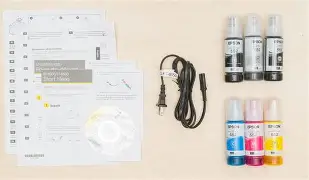
6. Maintenance Commitment
Understand the maintenance trade-offs of refillable systems. While bottle refills reduce cost and waste, they also require careful handling and periodic cleaning. Plan for occasional cleaning cycles and routine maintenance tasks to preserve print quality.
7. Connectivity and Integration
Confirm the machine supports the connectivity methods needed: Wi‑Fi, Ethernet, USB, and direct card printing if required. Check compatibility with the primary operating systems and software used in the workflow.
8. Warranty and Support
Check the warranty period and the availability of service or replacement parts. For prosumer buyers, extended service plans or access to local service centers can be valuable—especially if printer downtime would disrupt client work.
Real-World Use Cases
The ET-8550 shines in several practical scenarios:
- Family Archives and Photo Albums — households that print regularly for albums benefit from low running costs and wide-format options for album pages and framed photos.
- Small Photography Studios — studios producing proofs and short-run client prints can deliver vibrant results quickly without the recurring expense of cartridges.
- Crafts and Small Business Printing — sellers of printed stationery, planners, or scrapbook pages appreciate the printer’s flexibility with media and low per-print cost.
- Prototyping and Proofing — designers who need accurate, colorful proofs for layout and presentation can use the ET-8550 as a cost-effective proofing device, while leaving high-archival final prints to a pigment pro lab if needed.
Conclusion
The Ecotank Photo ET-8550 is a compelling middle ground between consumer dye printers and higher-priced professional pigment devices. Its refillable-tank architecture delivers substantial savings for frequent printing while providing strong photo quality suited to family albums, client proofs, and craft projects. The extra light color channels and wide-format capability distinguish it as a versatile home-studio machine.
That versatility comes with trade-offs: a larger footprint, moderate speeds for high-quality outputs, and the inherent archival limitations of dye-based inks. Buyers who prioritize long-term fade resistance or require the absolute highest color fidelity for gallery sales should weigh a pigment-based option. For many hobbyists and small studios, however, the ET-8550 balances cost, capability, and image quality in a way that makes it a practical, useful choice.
Ultimately, the decision depends on the buyer’s priorities—volume and economy versus archival permanence and professional-grade color stability. For those who print frequently, need wide-format photo capability, and value lower operating costs, the ET-8550 is worth serious consideration. For archival fine art or production-heavy workflows, it is a strong companion for proofs and color-accurate drafts rather than a full replacement for professional pigment printers.