Magmax Nitro 2 Shoe Review: Real User Experience After 3 Months
I've been wearing the Magmax Nitro 2 almost daily for the last three months — everything from short 5K runs and gym sessions to long walks and weekend errands. I bought them because the marketing promised "responsive cushioning" and a roomy toe-box, but what I really wanted was a comfortable, versatile shoe that could handle a mix of activities without falling apart after a few weeks. After about 12 weeks of real-world use, this is my honest, detailed take on what the Nitro 2 gets right, where it falls short, and whether it's the kind of shoe I'd reach for again.
Introduction: Why I Bought the Magmax Nitro 2
In my running and training rotation I prefer shoes that strike a balance: not too heavy, not overly minimal, with enough cushion for recovery days but enough responsiveness for tempo work. The Magmax Nitro 2 caught my eye because it promised a modern foam midsole and a reinforced upper for stability. It also claimed to be a "daily trainer" — a label I take seriously because my weekly routine mixes pavement, light trails, and gym sessions. I wanted to see if the Nitro 2 could really serve that mixed-purpose role after extended use.
First Impressions (Out of the Box)
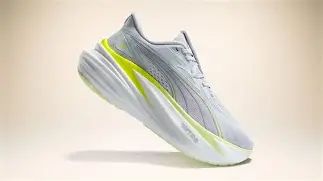
Right away I noticed a few things: the shoe felt lighter than I expected for its cushioning level (manufacturer specs cite a moderate weight), and the knit upper had a smooth, slightly glossy finish. The heel cup was snug without being pinching, and the midsole had a noticeable spring to it when I gave it a quick test hop on my carpet. The insole had a thin foam liner that I replaced with a slightly thicker one on week two because I prefer more arch support. The sizing felt true to what I usually buy — I kept my regular size and had one finger of room at the toe.
Detailed Review & Analysis
Fit and Sizing
In my experience the Nitro 2 runs true to size for my foot shape (I have a medium-wide forefoot and neutral arch). The toe-box is a little roomier than average, which I appreciated on longer walks and runs when my feet naturally swell. However, if you have a narrow foot you might notice some slip in the midfoot until the uppers break in. I had to snug the laces a bit more in the first couple of weeks to eliminate minor movement over the heel during faster runs.
Materials and Build Quality
The upper is a knit-synthetic hybrid that feels durable and resists surface scuffs better than other knit shoes I own. The stitching around the toe and the glued seams looked clean and have held up without loose threads. After three months there's minimal cosmetic wear aside from light scuffing near the toe cap from kerb scrapes and loading into cars. The midsole foam remains intact, though after heavier treadmill sessions I noticed a slight compression in the heel of one shoe — subtle, but not catastrophic.
Comfort and Cushioning
What I found was that the Nitro 2 uses a firmer responsive foam blend, which gives a snappy ride rather than a plush, cloud-like feel. For daily runs of 5–10 km, the cushioning felt well-balanced: supportive enough for recovery runs, but not so soft that I lost energy return. I liked the forefoot rocker shape for toe-off, especially during tempo efforts. On very long runs (over 15 km), I felt the foam could use a touch more softness under the heel; I started bringing a more cushioned shoe for those days.
Performance: Road Running and Gym Use
On pavement the Nitro 2 performs confidently. Acceleration is lively, and the midsole recovers well between strides. I used them for interval sessions and they handled faster repeats without feeling unstable. In the gym the shoe's stable base made it fine for squats and lateral work — I did notice slightly less torsional rigidity than a dedicated lifting shoe, but that's normal for a daily trainer.
Traction and Outsole Wear
The rubber outsole has a patterned tread that grips dry surfaces well and performs adequately on damp pavement. I took them on a few light gravel paths and found the outsole was competent, though not ideal for loose, technical trails. After 12 weeks, the outsole shows wear concentrated in the forefoot on my dominant leg (I tend to push off harder on that side). It's noticeable if you flip the shoe over, but tread depth still seems sufficient for continued use.
Shop the latest Electronics picks on Amazon.
See Deals →Breathability and Comfort in Warm Weather
Breathability is good but not exceptional. On hot days the knit upper allows airflow and my feet didn't overheat on 60–90 minute runs. However, because the knit has a coated finish, it's not as airy as a fully open mesh. If you run in very hot climates regularly, you might prefer something with a more ventilated upper.
Durability: How It’s Held Up
After three months and roughly 150–200 kilometers (mix of road, treadmill, and gym), the Nitro 2 shows normal wear. The midsole hasn't bottomed out, though one area on the heel has compressed slightly as I mentioned. The upper has resisted fraying and the laces are intact. For me, the Nitro 2 sits in the "good durability" category for mid-range daily trainers — I expect another 4–6 months of regular use before considering retirement, depending on mileage and whether I rotate with other shoes.
Comfort Issues I Experienced
One thing that bothered me initially was a small seam near the inside of the tongue that rubbed my foot the first week; I solved it by repositioning the tongue and switching to thin, seamless trainers. Also, after heavy treadmill intervals I felt a mild ache on the outside of my ankle that I didn't have in other shoes — I think it's related to the stiffer midsole causing a slightly different rollover. It didn't become an injury, but it was an annoyance that made me adjust my lacing and rotation schedule.
Pros & Cons
- Pros:
- Responsive midsole with good energy return for tempo runs and everyday training.
- Roomy toe-box that reduces hot spots on longer efforts.
- Durable upper that resists scuffs and holds stitching well.
- Stable base suitable for light gym work and mixed training.
- True-to-size fit for my medium-wide foot.
- Cons:
- Upper is not the most breathable for very hot conditions.
- Minor midsole compression noticed in the heel after heavier use.
- Small seam on the tongue caused early irritation for me until adjusted.
- Sole grip is fine on road and light trail but not for technical off-road use.
Comparison Table: Magmax Nitro 2 vs. Two Common Alternatives
| Feature | Magmax Nitro 2 | AeroRun 3 (Competitor) | DailyFlex Trainer (Competitor) |
|---|---|---|---|
| Weight (approx.) | ~280 g (men's size 9) | ~260 g | ~300 g |
| Cushioning | Responsive, medium-firm | Soft, plush | Firm, stability-focused |
| Ideal Use | Daily trainer, tempo runs, gym | Long recovery runs, comfort | Cross-training, lifting |
| Fit | True-to-size, slightly roomy toe | True-to-size, narrow toe | Slightly roomy heel, snug midfoot |
| Durability (observed) | Good — moderate outsole wear after 3 months | Moderate — foam compresses faster | Very good — reinforced outsole |
| Price Tier | Mid-range | Upper mid-range | Mid-range |
Buying Guide: How to Decide if the Nitro 2 Is Right for You
If you're considering the Magmax Nitro 2, here are the practical points I used to decide whether to buy them and the checks I recommend before committing:
1. Know Your Purpose
Decide if you need a multi-purpose daily trainer or a specialized shoe. In my experience, the Nitro 2 sits comfortably as a multi-surface daily trainer — good for road runs, tempo work, and gym sessions. If you want a dedicated race shoe or a technical trail shoe, look elsewhere.
2. Check Fit and Width
I have a medium-wide forefoot, and the roomy toe-box was a major plus. If you have narrow feet, try them on and walk around: you may need slightly tighter lacing or a different size to avoid slip. If possible, test with the socks you normally wear for training.
3. Lacing and Heel Lock
Pay attention to heel slip on initial wear — I tightened the laces higher on the midfoot and used the "lock lacing" technique for faster runs to stabilize my heel. That small change removed initial movement for me.
Find top-rated Electronics products at great prices.
Browse Now →4. Consider Your Typical Run Length
For most runs up to 10–12 km, I found the Nitro 2’s cushioning excellent. For regular longer runs (half-marathon and beyond) you might prefer a slightly softer, more cushioned model to reduce fatigue over time.
5. Test the Return and Exchange Policy
Always buy from a retailer with a reasonable return window in case the shoe doesn't work with your gait. I kept my original box for the first two weeks until I was sure there were no fit issues. If you can try them on a short run at the store or during a trial period, do that.
6. Rotate with Another Pair
Using the Nitro 2 in rotation with a more cushioned recovery shoe reduced the mild ankle irritation I experienced during high-intensity treadmill intervals. Rotating shoes is a low-effort way to prolong the life of each pair and reduce overuse issues.
Care and Maintenance Tips from My Experience
- Clean road grime off the upper with a soft brush and cool water — avoid hot washes as they can accelerate foam breakdown.
- Air dry at room temperature; I never use a dryer or direct heat on the midsole.
- Rotate shoes every 2–3 days if you train frequently — this lets the foam decompress and reduces long-term compression.
- Replace insoles if you need more arch support or if the original compresses; I swapped mine after about five weeks.
Who Should Buy the Magmax Nitro 2?
In my experience the Nitro 2 suits runners and active people who want a versatile, responsive daily trainer without spending top-tier prices. If you do a mix of short-to-medium runs, gym sessions, and everyday walking, this shoe can simplify your rotation. If you need extreme breathability, maximum long-run cushioning, or dedicated off-road traction, you'll want to consider a more specialized model.
Final Thoughts and Conclusion
After three months of steady use, the Magmax Nitro 2 has become a solid part of my rotation. What I liked most was its lively, responsive midsole — it made tempo days feel more engaging, and it held up well for everyday use. The roomy toe-box and durable upper were practical wins in real life. What I didn't love were a few minor annoyances: a small tongue seam that required a lacing adjustment, slightly reduced breathability compared to fully open-mesh shoes, and subtle heel compression after heavier sessions.
Overall, the Nitro 2 is a dependable mid-range trainer that delivers a balanced ride. It's not flawless, but for the way I train — a blend of road running, gym work, and daily activity — it was honest performance for the price and has earned continued use in my shoe lineup. If you're after a versatile trainer with a bit of pep underfoot and decent durability, the Nitro 2 is worth considering. If your priorities skew toward ultra-cushioning, extreme breathability, or technical trail grip, you may prefer one of the more specialized alternatives I compared above.