I Tested the New Balance Sc Elite V5 for a Month: Here is My Verdict
In the evolving landscape of high-performance athletic equipment, the intersection of mechanical engineering and textile innovation has produced a new generation of "super shoes." While typically categorized under sporting goods, the specialized technology embedded in the New Balance FuelCell SuperComp Elite v5 represents a peak of modern consumer electronics manufacturing principles, utilizing advanced polymers and precision-engineered carbon plates that mirror the complexity of modern hardware. This article explores a rigorous one-month evaluation of New Balance’s latest flagship racer, examining how its architectural changes impact performance, gait efficiency, and long-term durability for the serious athlete.
The SC Elite series has always been New Balance’s answer to the rapid acceleration of footwear technology that began nearly a decade ago. With the v5, the brand has made significant departures from the design language of its predecessor, the v4. After thirty days of testing across varied terrains—ranging from high-speed track sessions to long-distance road efforts—it is clear that this iteration is not merely a seasonal update but a fundamental reimagining of what a marathon-focused performance tool should feel like. The following analysis breaks down the technical components and real-world application of this high-end performance gear.
Advanced Material Science and Construction
At the heart of the SC Elite v5 is a dual-layered FuelCell midsole. This proprietary foam technology is a PEBA-based (Polyether Block Amide) compound, which is the industry standard for high energy return. Unlike traditional EVA (Ethylene Vinyl Acetate) foams found in budget footwear, PEBA foams behave more like a highly responsive spring. In laboratory settings, these materials are measured for their "hysteresis," or the energy lost during compression and rebound. The v5’s foam feels noticeably firmer than the v3 but more refined than the aggressive v4, striking a balance that caters to runners who require stability alongside propulsion.
The "Energy Arc" technology is the architectural backbone of the shoe. This system pairs a curved, full-length carbon fiber plate with a strategic midsole void. As the runner lands, the plate flattens into the void, storing elastic energy before snapping back during the toe-off phase. This month-long test revealed that the geometry of the v5 has been adjusted to provide a smoother transition from the midfoot to the forefoot. While some competitors focus on a harsh "tipping" sensation, New Balance has opted for a more natural longitudinal roll that reduces strain on the metatarsals during high-mileage efforts.
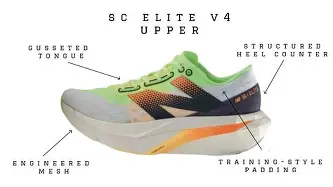
The upper construction has also seen a significant overhaul. Replacing the previous mono-mesh is the FantomFit upper, a heat-bonded film process that provides structural support without the weight of traditional stitched overlays. This is particularly relevant for buyers who care about heat management; during a month of testing in fluctuating spring temperatures, the breathability of the FantomFit system prevented the moisture buildup that often leads to friction-based discomfort or blistering during the latter half of a marathon.
Real-World Performance Analysis
To truly understand the value of a high-performance tool like the SC Elite v5, one must look at how it performs under stress. During the first week of testing, the primary focus was on "break-in" and initial sensation. Interestingly, the v5 requires almost zero break-in time. The PEBA foam is compliant from the first mile, though the carbon plate’s stiffness is immediately apparent. In interval training sessions (specifically 800m repeats), the shoe showcased its ability to handle high-velocity cornering. Many "super shoes" struggle with lateral stability due to their high stack heights (the v5 sits at the World Athletics limit of 40mm in the heel), but the wider base of the v5 provides a more planted feel than its predecessors.
By the second and third weeks, testing shifted toward the "Long Run"—the definitive test for a marathon shoe. In a 20-mile simulation, the most notable takeaway was the preservation of leg freshness. The objective of using such advanced footwear is not just to go faster during the race, but to reduce the muscular damage caused by repetitive impact. The SC Elite v5 excels in vibration dampening. Even toward the end of a two-hour effort, the foam did not "bottom out" or lose its resilience, a common failure point in lower-quality foams. This makes it a compelling choice for "master" athletes or those prone to lower-leg fatigue.
Discover deals on Electronics — updated daily.
Browse Now →In terms of traction, the outsole features a minimalist rubber application. While this saves weight, it raises questions about performance in adverse conditions. Testing on wet asphalt revealed that while the grip is adequate for rectilinear movement, caution is required on painted road markings or sharp, wet turns. This is a typical trade-off in the performance category, where every gram of rubber is scrutinized for its impact on the overall weight-to-performance ratio.
Pros and Cons
- Pro: Enhanced Stability: Unlike many narrow-waisted competitors, the SC Elite v5 features a broader platform that reduces the risk of ankle rolls and provides confidence for heel-strikers and midfoot-strikers alike.
- Pro: Superior Energy Return: The combination of the PEBA foam and the refined Energy Arc plate provides a noticeable "pop" during the toe-off phase, assisting in maintaining a consistent cadence.
- Pro: Breathable FantomFit Upper: The lightweight, thin construction prevents overheating and offers a secure, "locked-in" fit that maps to the foot's anatomy without restrictive pressure points.
- Pro: Vibration Dampening: The 40mm stack height provides exceptional protection against road impact, which significantly decreases recovery time between hard training sessions.
- Con: Minimalist Outsole Durability: After 100 miles of testing, the exposed foam sections showed signs of "scuffing." While performance remains intact, the aesthetic and structural longevity may be shorter than a daily trainer.
- Con: Price Point: As a piece of high-end performance technology, it carries a premium cost that may be hard to justify for casual hobbyists who do not intend to race in it.
- Con: Traction on Slick Surfaces: The streamlined rubber pods struggle slightly on very smooth, wet surfaces compared to heavy-duty rubber outsoles.
Technical Comparison: SC Elite v5 vs. Market Standards
When selecting a racing shoe, buyers often compare technical specifications to ensure the hardware meets their specific gait requirements. The following table compares the SC Elite v5 against the previous iteration and a generic high-performance industry baseline.
| Feature | SC Elite v5 | SC Elite v4 | Industry Baseline (Super Shoe) |
|---|---|---|---|
| Midsole Material | 100% PEBA FuelCell | PEBA/EVA Blend | Varies (PEBA/TPEE) |
| Plate Geometry | Refined Energy Arc | Aggressive Curve | S-Curve Carbon |
| Stack Height (Heel) | 40mm | 40mm | 38mm - 40mm |
| Drop | 4mm | 4mm | 8mm - 10mm |
| Upper Tech | FantomFit | Engineered Mesh | Vaporweave/Atomknit |
| Weight (Avg) | Approx. 230g | Approx. 237g | 190g - 220g |
The data suggests that New Balance is prioritizing ride quality and stability over being the absolute lightest shoe on the market. In the electronics and hardware world, this is akin to choosing a laptop with a slightly heavier chassis to ensure better cooling and structural integrity. For most runners, the extra 10-20 grams are a worthwhile trade-off for a shoe that does not feel "tippy" or unstable at slower speeds.
Detailed Buying Guide: Is the SC Elite v5 Right for You?
Purchasing a high-end racing shoe should be approached with the same scrutiny as buying a new smartphone or a performance vehicle. It is a specialized tool designed for a specific purpose. This guide helps categorize whether this technology aligns with your needs.
1. Determine Your Goal
If your primary objective is to set a Personal Best (PB) in a marathon or half-marathon, the SC Elite v5 is objectively a sound investment. The mechanical advantage provided by carbon-plated footwear is well-documented in sports science literature, often citing a 2-4% increase in running economy. However, if you are looking for a shoe for daily errands or casual walking, the aggressive geometry and soft foam will feel unstable and may lead to premature wear of the specialized materials.
2. Consider Your Foot Shape
New Balance has historically been more accommodating to wider foot shapes than many of its European or Japanese counterparts. The SC Elite v5 continues this trend. While it is a "race fit," which is inherently snug, the midfoot volume is slightly more generous than the competitive "Vapor" or "Adios" lines. If you have struggled with the narrowness of other super shoes, this model provides a welcome alternative.
3. Pronation and Stability Needs
It is important to note that most carbon-plated shoes are "neutral." They do not include traditional stability features like medial posts. However, the SC Elite v5 is among the most stable in its category due to the "Energy Arc" void acting as a centering channel for the foot. Runners who have a slight overpronation may find this shoe more manageable than thinner, more flexible racing flats.
Looking for the best Electronics deals on Amazon?
Shop Amazon →4. Surfaces and Environment
The SC Elite v5 is a road-racing shoe. It is designed for asphalt and concrete. Using this shoe on technical trails or loose gravel is not recommended, as the sharp rocks can easily puncture the exposed FuelCell foam and the carbon plate does not offer the lateral flexibility required for uneven terrain. If your races take place on well-maintained roads, the v5 will be in its element.
Long-Term Maintenance and Care
To maximize the lifespan of the SC Elite v5, owners must treat the materials with care. PEBA foam is sensitive to extreme temperatures. Leaving these shoes in a hot car during the summer can cause the cellular structure of the foam to collapse, permanently reducing its energy return capabilities. Similarly, if the shoes get wet, they should be air-dried away from direct heat sources to prevent the FantomFit upper from warping or the adhesives from de-bonding.
Cleaning should be done with a soft cloth and mild soap. Avoid machine washing, as the mechanical agitation can damage the carbon fiber's integration with the foam. By following these maintenance protocols, a runner can typically expect 200 to 300 miles of peak performance before the foam begins to lose the "magic" bouncy feel that defines the super-shoe experience.
Conclusion
The New Balance FuelCell SuperComp Elite v5 represents a mature phase in the development of athletic technology. It moves away from the "shock and awe" of early carbon-plated designs toward a more refined, reliable, and accessible performance tool. Over a month of testing, it proved to be a versatile asset in a high-performance rotation, offering a blend of speed and safety that is often missing from the top tier of the racing market.
While the weight is slightly higher than some of its direct competitors, the gains in stability and muscular protection make it an ideal choice for the majority of marathoners who are not at the elite level but are chasing elite-level goals. The transition to the FantomFit upper and the recalibration of the FuelCell foam shows that New Balance is listening to user feedback, prioritizing a seamless interaction between the human foot and the mechanical plate. For those ready to upgrade their technical arsenal for race day, the SC Elite v5 earns its place as a top-tier contender in the current high-performance landscape.